

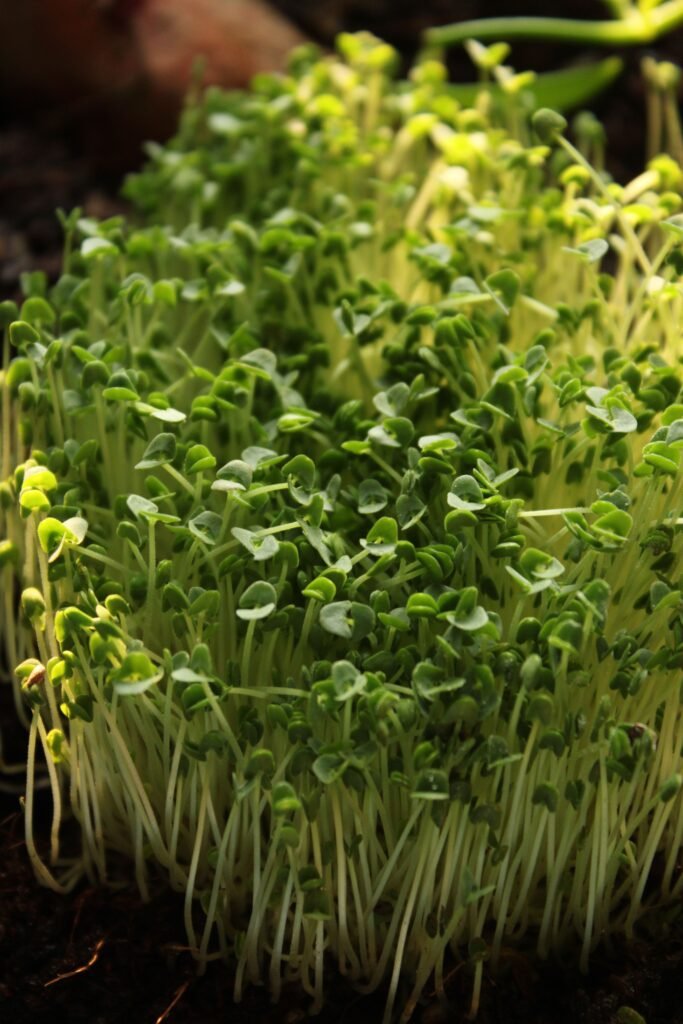
Microgreens farming is becoming an exciting business opportunity for modern farmers, rural entrepreneurs, students, and individuals who want to enter the agricultural industry with a relatively small investment. Microgreens are young edible vegetable and herb plants that are harvested shortly after their first leaves develop, generally within 7 to 21 days, depending on the crop variety and growing conditions. These miniature greens are widely used in salads, sandwiches, soups, smoothies, restaurant dishes, and healthy food recipes. Popular varieties include broccoli, radish, sunflower, mustard, pea shoots, fenugreek, and red cabbage microgreens. Growing awareness about healthy eating, fresh vegetables, nutrition, and urban farming has created new market opportunities for microgreens producers. One of the biggest advantages of this business is that it does not require a large agricultural field. Microgreens can be cultivated in a small room, greenhouse, rooftop, balcony, or specially designed indoor farming space. With proper planning, quality seeds, suitable growing trays, clean water, and effective marketing, entrepreneurs can establish a small microgreens production unit and gradually develop it into a professional fresh food business.
1. Understand Microgreens Farming and Select the Right Crops
The first step in starting a microgreens growing business is understanding the production process and selecting suitable crops. Microgreens are different from mature vegetables and sprouts because they are harvested after the development of their first true leaves or at the appropriate young edible stage. Their short growing cycle allows farmers to produce multiple batches throughout the month. Some of the most popular varieties include broccoli, radish, mustard, sunflower, pea shoots, beetroot, coriander, wheatgrass, and fenugreek. Beginners should initially focus on easy-to-grow varieties such as radish, mustard, sunflower, and pea shoots because they are relatively straightforward to cultivate with suitable seeds and growing conditions. Each variety has different germination periods, harvesting times, flavours, and customer preferences. For example, radish microgreens have a slightly spicy taste, sunflower shoots have a mild nutty flavour, and broccoli microgreens are popular among customers interested in nutritious foods. Before selecting your crops, research local demand among restaurants, cafes, supermarkets, health food stores, and individual consumers. Producing varieties that customers actually purchase is more important than growing a large number of different crops without a clear marketing strategy.
2. Arrange the Initial Investment and Required Equipment
One of the major advantages of microgreens farming is that it can be started on a relatively small scale. You do not need hundreds of acres of farmland or expensive agricultural machinery. A small, clean, well-ventilated room can be sufficient for a beginner. The basic equipment includes growing trays, quality seeds, growing medium, spray bottles, measuring scales, shelves, water containers, and harvesting scissors. Common growing mediums include cocopeat, suitable soil-based mixtures, and other commercially available growing substrates. Some growers also use hydroponic growing mats. If you plan to cultivate microgreens indoors, you may require LED grow lights, timers, fans, and temperature-monitoring equipment. Food-grade packaging containers and a refrigerator are also useful for maintaining product quality after harvesting. Start with a small number of trays and learn the production process before purchasing expensive equipment. Keep the growing area clean, prevent contamination, maintain proper airflow, and use safe water. Your initial investment will depend on the growing area, production capacity, equipment quality, and whether you choose natural sunlight or an indoor LED lighting system. A small, well-managed setup is generally a sensible way to understand the business before expanding.
3. Learn the Complete Microgreens Growing and Harvesting Process
Successful microgreens production depends on following a consistent cultivation process. First, purchase suitable, high-quality seeds from reliable suppliers and ensure that they are intended for edible sprout or microgreen production. Prepare clean growing trays and add an appropriate growing medium. Spread the seeds evenly according to the recommended density for each crop. Some larger seeds, such as peas and sunflower seeds, may require soaking before sowing, while other varieties can be sown directly. After sowing, provide the moisture and darkness conditions required for germination. Once the seeds germinate, move the trays into suitable light conditions. Monitor temperature, humidity, airflow, and watering throughout the growing period. Avoid excessive watering because standing water and poor ventilation can encourage mould and microbial contamination. Harvest the microgreens with clean scissors when they reach the desired size and stage. Use clean hands, sanitised equipment, and hygienic handling practices. After harvesting, remove unwanted seed coats and damaged plant material, then package the produce in clean, food-grade containers. Since microgreens are highly perishable, refrigeration and a reliable delivery schedule are important for maintaining freshness and reducing wastage.
4. Investment, Production Costs, and Profit Potential
Microgreens farming can be an attractive small-scale business because its production cycle is relatively short and the crops can be grown vertically using shelves. However, profitability depends on crop selection, seed costs, yield per tray, electricity, packaging, labour, wastage, and selling prices. A beginner can start with approximately 10 to 20 growing trays and gradually increase production after identifying regular customers. Initial expenses may include trays, shelving, seeds, growing medium, basic lighting, packaging materials, and refrigeration arrangements. You should maintain a record of every batch, including the quantity of seeds used, harvest weight, selling price, production time, and total expenses. Calculate the cost per tray before deciding your selling price. For example, if a tray produces 250 grams of marketable microgreens, you should calculate its complete production cost before estimating the potential revenue. Different crops have different yields and market prices, so a single profit estimate cannot be applied to every variety. Avoid producing more microgreens than you can sell because unsold stock can quickly become a financial loss. A sensible business strategy is to secure regular customers first and then increase production according to confirmed demand.
5. Marketing and Selling Microgreens to Restaurants and Health-Conscious Customers
Marketing is one of the most important factors in making a microgreens business successful. Although microgreens are becoming popular in urban food markets, many potential customers may still be unfamiliar with their uses. Therefore, entrepreneurs should educate customers about different varieties, their flavours, culinary applications, freshness, and nutritional characteristics. Restaurants, cafes, hotels, salad bars, premium grocery stores, nutrition-focused food businesses, and individual consumers can become potential buyers. You can approach restaurant chefs with small sample packs and introduce weekly supply arrangements. Create a professional brand name and attractive packaging that clearly mentions the crop variety, net weight, batch details, storage instructions, and applicable food safety information. WhatsApp Business, Instagram, Facebook, and local digital communities can help you display your products and receive orders. Use search engine optimisation keywords such as microgreens growing business, microgreens farming in India, how to grow microgreens commercially, indoor microgreens farming, profitable urban farming, fresh microgreens delivery, sunflower microgreens, broccoli microgreens, and small-scale farming business. You can also offer weekly subscription boxes containing different microgreen varieties. Building relationships with chefs and regular household customers can provide a more dependable source of revenue than relying only on occasional retail sales.
6. Expand Your Microgreens Business with Value-Added Products
Once your microgreens production becomes stable, you can explore several opportunities to expand your business. Instead of selling only fresh microgreens, consider developing mixed microgreens salad packs, ready-to-use culinary mixes, and customised restaurant packs. You can offer different combinations of radish, sunflower, pea shoots, mustard, and broccoli microgreens according to customer preferences. Another opportunity is to supply growing kits containing seeds, trays, and growing instructions to households interested in cultivating their own microgreens. You may also conduct microgreens farming workshops for students, gardening enthusiasts, schools, and aspiring entrepreneurs. Commercial expansion can include supplying supermarkets, organic food stores, premium restaurants, and online grocery businesses. However, value-added food products require additional attention to processing, shelf-life testing, packaging, and food safety compliance. In India, check the applicable FSSAI requirements and other relevant regulations before commercial food sales. You should also maintain proper production records and implement hygienic growing and harvesting procedures. As your brand develops, you can introduce new varieties and larger production systems based on actual customer demand. Gradual expansion is generally safer than investing heavily before establishing a reliable market.
Popular Microgreens Varieties for Commercial Cultivation
| Microgreens variety | Approximate growing period |
|---|---|
| Radish | 7–10 days |
| Mustard | 7–10 days |
| Broccoli | 8–12 days |
| Sunflower | 8–12 days |
| Pea shoots | 10–15 days |
| Fenugreek | 8–12 days |
| Red cabbage | 8–12 days |
| Beetroot | 12–20 days |
| Coriander | 14–21 days |
Growing periods are approximate and vary according to seed quality, temperature, lighting, and growing conditions.
Five Important Tips for Microgreens Business Success
Start small: Begin with 10–20 trays and understand the production process before expanding.
Choose quality seeds: Use reliable seeds suitable for edible microgreen production.
Maintain hygiene: Clean trays, safe water, good ventilation, and hygienic harvesting are essential.
Find customers before increasing production: Restaurants, cafes, and households can provide useful information about actual market demand.
Reduce wastage: Microgreens are perishable, so plan harvesting according to confirmed orders and maintain appropriate refrigeration.
Conclusion
Microgreens farming is an innovative agricultural business opportunity that combines modern farming techniques, short production cycles, and growing interest in fresh food products. It is particularly suitable for entrepreneurs who have limited land but want to explore commercial agriculture. From broccoli and radish microgreens to sunflower shoots, pea shoots, mustard, and fenugreek, there are several varieties that can be cultivated in a relatively small space. However, successful microgreens farming requires more than simply sowing seeds in trays. Entrepreneurs must understand crop requirements, maintain hygienic growing conditions, control production costs, manage post-harvest storage, and develop reliable marketing channels. Starting with a small production unit, testing customer demand, and gradually increasing capacity can help reduce financial risk. With proper planning, quality management, and consistent customer service, microgreens cultivation can become a promising small-scale farming and urban agriculture business.