

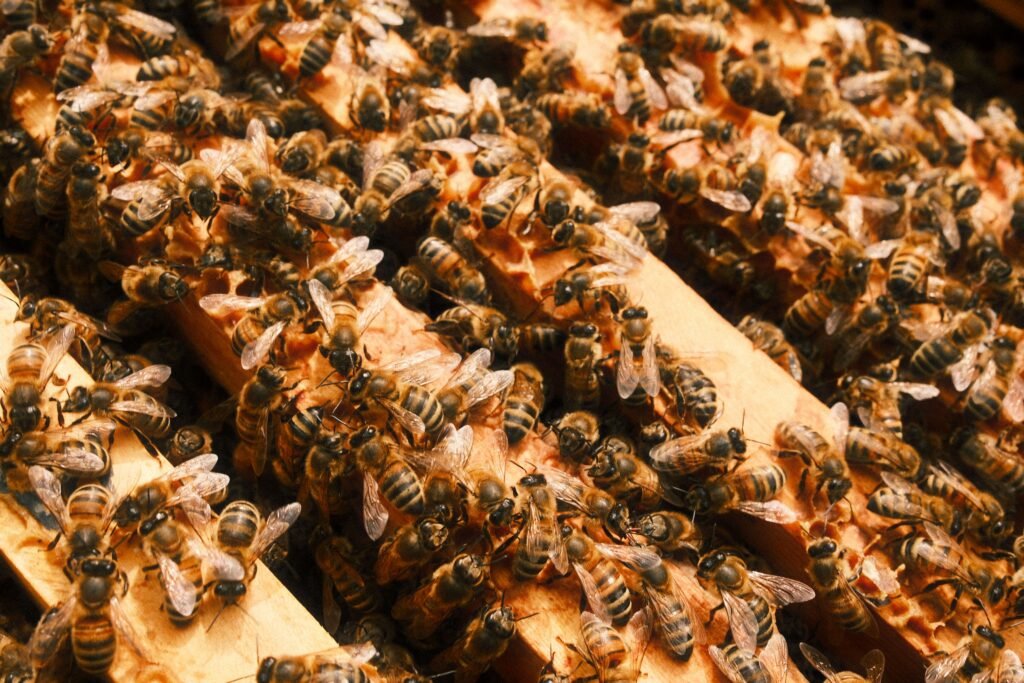
Beekeeping, also known as apiculture, is one of the most interesting and profitable small-scale agricultural business opportunities for aspiring entrepreneurs. It involves raising and managing honeybee colonies to produce natural honey, beeswax, royal jelly, pollen, and other valuable bee-related products. With increasing awareness about natural food, organic products, healthy lifestyles, and traditional agricultural practices, the demand for pure honey and natural bee products has created promising opportunities in the market. One of the biggest advantages of starting a beekeeping business is that it does not always require a large piece of land or heavy infrastructure. Even small farmers, rural entrepreneurs, agricultural students, and individuals looking for an additional source of income can explore this business with proper training and investment. Apart from generating income through honey production, honeybees also play an important role in agricultural development by helping in the pollination of flowering plants and crops. Therefore, beekeeping is not just a honey production business; it is also an environmentally beneficial activity that supports biodiversity and sustainable agriculture.
1. Understand the Basics of Beekeeping and Honeybee Management
The first step in establishing a successful honey production business is understanding how honeybees live, reproduce, collect nectar, and produce honey. A honeybee colony generally consists of three types of bees: the queen bee, worker bees, and drones. The queen is responsible for laying eggs, worker bees perform activities such as collecting nectar, producing honey, cleaning the hive, and protecting the colony, while drones primarily participate in reproduction. A beginner should learn how to manage honeybee colonies, identify healthy queens, inspect beehives, prevent swarming, and maintain suitable conditions for colony development. In India, species such as the Indian honeybee (Apis cerana indica) and the European or Italian honeybee (Apis mellifera) are used in different beekeeping systems. The selection of a suitable honeybee species depends on the local climate, flowering seasons, availability of nectar, and business objectives. Before purchasing bee colonies, entrepreneurs should obtain practical training from experienced beekeepers or recognised agricultural institutions. Proper knowledge of honeybee behaviour, seasonal management, and colony health can reduce losses and improve honey production.
2. Arrange the Initial Investment, Equipment, and Beekeeping Infrastructure
Starting a beekeeping business requires an initial investment in honeybee colonies, beehives, protective equipment, and honey extraction machinery. The most important equipment includes wooden or scientifically designed beehive boxes, frames, foundation sheets, smokers, hive tools, protective suits, gloves, bee veils, and honey extractors. You may also require food-grade honey storage containers, filtration equipment, weighing scales, and packaging materials. Beginners should start with a manageable number of colonies, perhaps five to ten, and increase their operations after gaining practical experience. The investment will depend on the number of colonies, the quality of equipment, transportation requirements, and whether you purchase manual or automated machinery. It is also important to select an appropriate location with sufficient flowering plants, clean water, and limited exposure to pesticides. Beehives should be placed in a secure location where colonies can access nectar and pollen throughout the available flowering seasons. A well-organised apiary, which means a place where beehives are maintained, can help improve colony management and make honey harvesting more efficient. Careful investment planning is essential because beekeeping profitability depends not only on honey production but also on colony survival and operating expenses.
3. Honey Production, Harvesting, and Quality Management
Honey production is the central activity of a commercial beekeeping business. Honeybees collect nectar from flowers and transform it into honey through natural enzymatic processes and moisture reduction inside the hive. The quantity and quality of honey depend on several factors, including the strength of the colony, availability of flowering plants, weather conditions, bee species, and seasonal nectar flow. When the honeycomb frames contain sufficiently mature, capped honey, the beekeeper can remove suitable frames for extraction. Honey is generally extracted using a honey extractor, which separates honey from the comb without unnecessarily destroying the wax structure. The extracted honey is then filtered to remove wax particles and other physical impurities. It should be handled hygienically and stored in clean, food-grade containers to maintain its quality. Commercial honey producers should pay attention to moisture content, cleanliness, authenticity, and applicable food safety standards. Avoid overheating honey because excessive heat can negatively affect its natural quality. Regular hive inspections and responsible harvesting practices are also necessary to ensure that bees retain sufficient food reserves for their survival, particularly during periods when flowers and nectar are unavailable.
4. Different Types of Honey and Additional Products for Higher Income
One of the most attractive features of the beekeeping industry is that entrepreneurs can earn income from several products rather than depending entirely on raw honey sales. Different flowering plants produce honey with different colours, flavours, aromas, and characteristics. Depending on the local flora and production conditions, beekeepers may produce mustard honey, eucalyptus honey, multifloral honey, sunflower honey, and other varieties. You can develop a brand around locally sourced honey and sell it in different packaging sizes, such as 250-gram, 500-gram, and one-kilogram containers. In addition to honey, beeswax is a valuable by-product used in candle manufacturing, cosmetics, soaps, and other products. Other commercial opportunities include bee pollen, propolis, and royal jelly, although these products require specialised harvesting knowledge and appropriate quality control. Another interesting opportunity is providing pollination services to farmers who grow crops requiring or benefiting from insect pollination. By developing multiple revenue streams, a small beekeeping enterprise can reduce its dependence on a single product and explore different customer segments. However, every product should meet the relevant safety, labelling, and quality requirements before being sold commercially.
5. Marketing, Branding, and Selling Honey in the Market
Marketing is one of the most important factors in building a successful honey production business. Even if you produce excellent-quality honey, your business cannot grow without reaching the right customers. Begin by identifying potential buyers such as households, grocery stores, supermarkets, organic food shops, restaurants, hotels, sweet shops, and health food retailers. You can also establish direct relationships with customers through local exhibitions, farmers’ markets, agricultural fairs, and community networks. Create an attractive brand name, professional packaging, and clear product labels mentioning the product name, net weight, batch number, manufacturing or packing details, best-before information, and other legally required declarations. Digital marketing can help you reach a wider audience through WhatsApp Business, Facebook, Instagram, and your own e-commerce website. Use relevant search engine optimisation keywords such as honey production business, beekeeping business in India, how to start beekeeping, pure natural honey, commercial honey farming, honeybee farming, organic honey business, and small-scale agricultural business. You should avoid unsupported claims such as medicinal cures or guaranteed health benefits. Instead, build customer trust through transparent sourcing, consistent product quality, responsible production, and honest communication. A strong brand reputation can help transform a small honey production unit into a recognised local honey business.
6. Investment, Profitability, and Business Expansion Opportunities
The financial success of a beekeeping business depends on the number of colonies, honey yield per colony, local selling prices, production costs, seasonal conditions, and marketing efficiency. For beginners, starting with five to ten colonies is a practical way to understand the business before making a larger investment. Initial expenses may include purchasing honeybee colonies, beehive boxes, protective equipment, extraction machinery, transportation, and packaging materials. Recurring expenses may include colony maintenance, feeding during nectar shortages, medicines or approved treatments where necessary, labour, and marketing. Instead of assuming a fixed profit per colony, entrepreneurs should prepare a detailed business plan based on realistic local honey yields and wholesale or retail prices. Once the business becomes stable, you can expand by increasing the number of colonies, introducing improved honey extraction facilities, selling beeswax products, and establishing partnerships with agricultural farms. You can also explore opportunities in honey processing, private-label honey packaging, bulk honey supply, and pollination services. In India, aspiring beekeepers can seek information about training and applicable support programmes through the National Bee Board, Krishi Vigyan Kendras (KVKs), and agricultural universities. Before starting commercial operations, check applicable FSSAI registration or licensing requirements, food labelling standards, and other local regulations. A well-managed expansion strategy can help create a sustainable business while supporting agricultural productivity and rural employment.
Estimated Investment for a Small Beekeeping Business in India
The following figures are indicative planning estimates, not guaranteed market prices or official quotations.
Particulars Estimated investment
5–10 bee colonies ₹25,000–₹60,000
Beehive boxes and frames ₹10,000–₹20,000
Protective suits and tools ₹5,000–₹10,000
Basic honey extraction equipment ₹10,000–₹25,000
Packaging and storage ₹5,000–₹10,000
Transportation and miscellaneous ₹5,000–₹10,000
Estimated total ₹60,000–₹1,35,000
Actual costs depend on equipment quality, bee species, location, colony availability, and whether you purchase new or used machinery.
Important Government Support and Training Opportunities in India
People interested in starting a commercial beekeeping business can explore the following institutions and programmes:
1. National Bee Board (NBB): Provides information about beekeeping development, training, and industry initiatives.
2. National Beekeeping and Honey Mission (NBHM): An initiative supporting scientific beekeeping, honey production, processing, and marketing.
3. Krishi Vigyan Kendras (KVKs): Can provide practical agricultural and beekeeping training.
4. NABARD: Explore applicable rural entrepreneurship and agricultural finance opportunities.
5. Agricultural universities: Offer technical knowledge and guidance on honeybee management and scientific apiary practices.
Useful resources:
– National Bee Board
– NABARD
– Food Safety and Standards Authority of India
Conclusion
Beekeeping and honey production represent an exciting business opportunity for farmers, students, rural entrepreneurs, and individuals interested in starting a small agricultural enterprise. The business offers multiple income opportunities through honey, beeswax, pollen, propolis, and pollination services. However, success requires more than simply purchasing beehives and collecting honey. It demands practical knowledge, proper colony management, seasonal planning, disease prevention, quality control, and effective marketing. Beginners should start with a limited number of colonies, receive professional training, understand their local flowering conditions, and gradually increase production as their experience grows. With scientific management, responsible harvesting, and a customer-focused marketing strategy, beekeeping can develop into a sustainable and rewarding business.