



4
Business Banking Tips for US Entrepreneurs: A Smart Guide to Financial Success
For entrepreneurs in the United States, choosing the right banking practices is just as important as having a strong business idea. Smart business banking helps manage cash flow, build credit, simplify taxes, and protect personal assets. Many US entrepreneurs make costly mistakes by treating banking as a minor task, when in reality it plays a major role in long-term success.
This SEO-friendly, human-written guide shares essential business banking tips for US entrepreneurs—without website links—so you can build a strong financial foundation with confidence.
Separate Personal and Business Banking from Day One
One of the most important business banking tips for US entrepreneurs is to keep personal and business finances completely separate. Mixing funds leads to confusion, accounting errors, and potential legal issues.
Every entrepreneur should:
- Open a dedicated business checking account
- Use business accounts only for business income and expenses
- Avoid paying personal bills directly from business funds
Separating finances improves clarity, protects personal assets, and makes tax filing much easier.
Choose the Right Type of Business Bank Account
Not all business bank accounts are the same. US entrepreneurs should select accounts based on their business size, transaction volume, and growth plans.
Common business banking options include:
- Business checking accounts for daily transactions
- Business savings accounts for reserves and taxes
- Merchant accounts for accepting card payments
Choosing the right combination of accounts helps manage money efficiently and reduces unnecessary fees.
Understand Banking Fees and Minimum Balance Rules
Many US entrepreneurs overlook banking fees, which can slowly drain business cash. Monthly maintenance fees, transaction limits, wire transfer fees, and overdraft charges can add up.
To avoid unnecessary costs:
- Review account fee structures carefully
- Maintain required minimum balances
- Track monthly transaction limits
- Avoid frequent overdrafts
Being aware of banking terms helps entrepreneurs keep more money in the business.
Use Business Credit Cards Wisely


Business credit cards are powerful tools when used correctly. They help manage cash flow, track expenses, and build business credit in the US.
Smart usage tips include:
- Use business credit cards only for business expenses
- Pay balances on time to avoid interest
- Monitor spending limits carefully
- Take advantage of expense categorization
Responsible use strengthens your business credit profile and financial credibility.
Build Strong Business Credit Early
Building business credit is essential for US entrepreneurs who plan to grow. A strong credit profile helps secure loans, lines of credit, and better financing terms.
Ways to build business credit include:
- Opening accounts in the business name
- Paying bills and loans on time
- Keeping credit utilization low
- Avoiding excessive debt
Good business credit provides financial flexibility during expansion or emergencies.
Maintain Healthy Cash Flow Through Banking Tools
Effective business banking supports strong cash flow management. US entrepreneurs should use banking tools that provide visibility and control over money movement.
Helpful practices include:
- Monitoring account balances regularly
- Scheduling automatic bill payments
- Using alerts for low balances or large transactions
- Keeping emergency funds in a separate account
These habits reduce financial stress and prevent cash shortages.
Plan Banking Around Tax Obligations

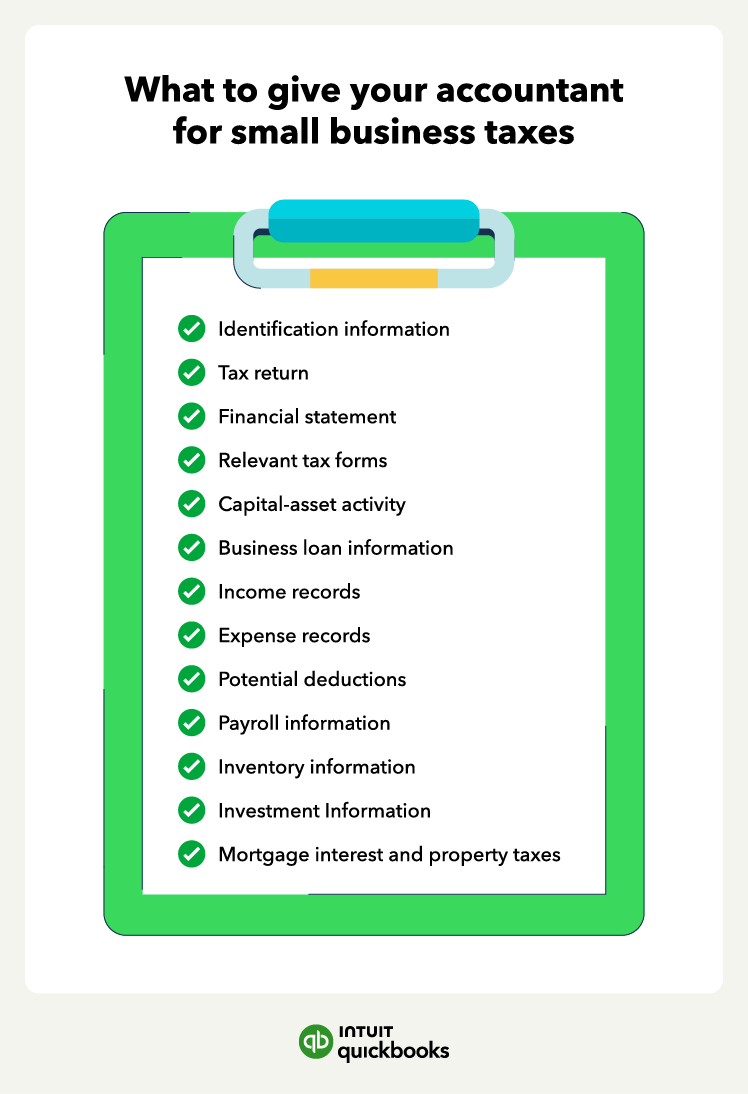
Taxes are a major responsibility for US entrepreneurs. Poor banking planning often leads to spending money that should be reserved for taxes.
Smart tax-related banking tips:
- Set aside money for quarterly taxes in a separate savings account
- Keep payroll and sales tax funds untouched
- Track tax-related deposits clearly
This approach avoids last-minute cash problems and penalties.
Choose a Bank That Supports Business Growth
Entrepreneurs should choose banks that understand small business needs. A supportive banking relationship can help during expansion, financing, or difficult periods.
A good business bank offers:
- Flexible account options
- Access to business loans or credit lines
- Knowledgeable business banking support
- Digital banking tools for efficiency
A strong banking partner grows with your business.
Use Online and Mobile Banking Efficiently
Modern US business banking relies heavily on digital tools. Online and mobile banking save time and improve control over finances.
Benefits include:
- Real-time balance monitoring
- Mobile check deposits
- Easy fund transfers
- Downloadable financial statements
Efficient digital banking allows entrepreneurs to focus more on growth and less on paperwork.
Keep Emergency and Reserve Funds Separate

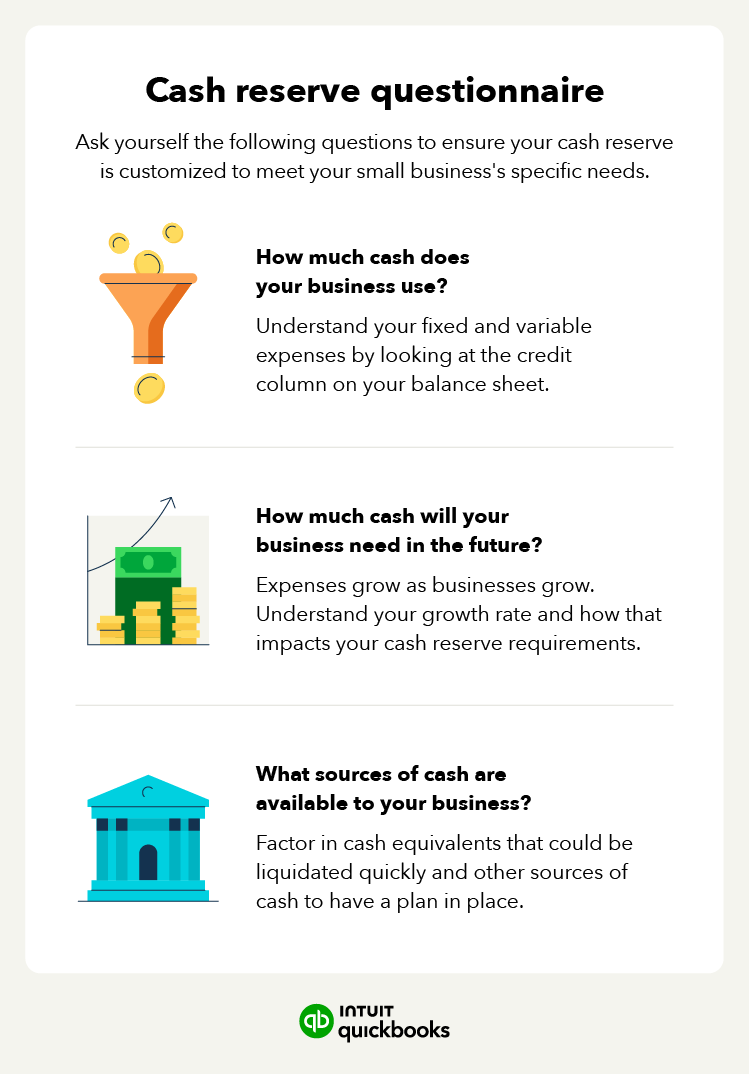

Unexpected expenses, slow sales, or economic changes can disrupt any business. US entrepreneurs should maintain emergency funds in a separate account.
Best practices include:
- Saving 3–6 months of operating expenses
- Keeping reserve funds easily accessible
- Using emergency funds only when necessary
This habit improves financial stability and long-term survival.
Review Banking Setup as the Business Grows
Business banking needs change over time. What works for a startup may not work for a growing company.
Entrepreneurs should:
- Review banking accounts annually
- Adjust limits and services as revenue increases
- Add payroll or merchant services when needed
- Close unused accounts
Regular reviews keep banking aligned with business goals.
Final Thoughts: Smart Banking Builds Strong Businesses
Business banking is more than opening an account—it is a strategic tool for success. US entrepreneurs who manage banking wisely enjoy better cash flow, stronger credit, smoother tax compliance, and greater financial control.
By separating finances, understanding fees, using credit responsibly, and planning for growth, entrepreneurs can turn business banking into a powerful advantage. Strong banking habits today create a more secure and profitable business tomorrow.
For US entrepreneurs, smart banking decisions are not optional—they are essential for sustainable growth and long-term success.