


4
Cash Flow Management for US Businesses: A Practical Guide to Financial Stability
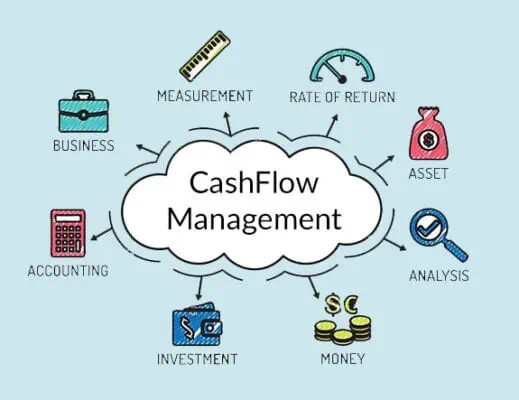
Cash flow management is one of the most important financial skills for running a successful business in the United States. Many US businesses generate good sales and still struggle or fail because they do not manage cash flow properly. Cash flow is the lifeblood of a business—it determines whether you can pay employees, suppliers, rent, taxes, and invest in growth.
This SEO-friendly, human-written guide explains cash flow management for US businesses in simple terms, highlights common problems, and shares proven strategies to keep your business financially healthy.
What Is Cash Flow and Why It Matters
Cash flow refers to the movement of money in and out of your business over a specific period.
- Cash inflow includes customer payments, loans, and investments.
- Cash outflow includes rent, salaries, inventory, utilities, loan repayments, and taxes.
Positive cash flow means more money is coming in than going out. Negative cash flow means expenses exceed income. In the US business environment, poor cash flow is one of the top reasons small businesses shut down—even when they appear profitable on paper.
Common Cash Flow Challenges Faced by US Businesses
US businesses, especially startups and small enterprises, often face cash flow problems due to several reasons:
- Late payments from clients or customers
- High operating costs such as rent, payroll, and insurance
- Seasonal fluctuations in sales
- Unexpected tax obligations
- Overinvestment in inventory or marketing
- Rapid expansion without enough working capital
Understanding these challenges is the first step toward effective cash flow management.
Tracking Cash Flow Regularly
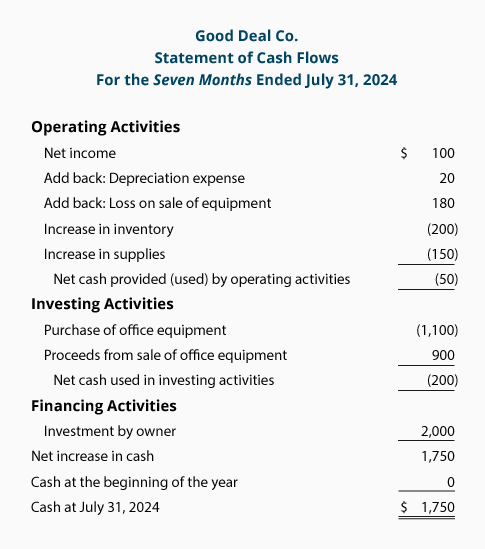
One of the biggest mistakes US businesses make is not tracking cash flow regularly. Many business owners check revenue but ignore timing—when money is actually received and paid.
To manage cash flow effectively:
- Monitor cash flow weekly or monthly
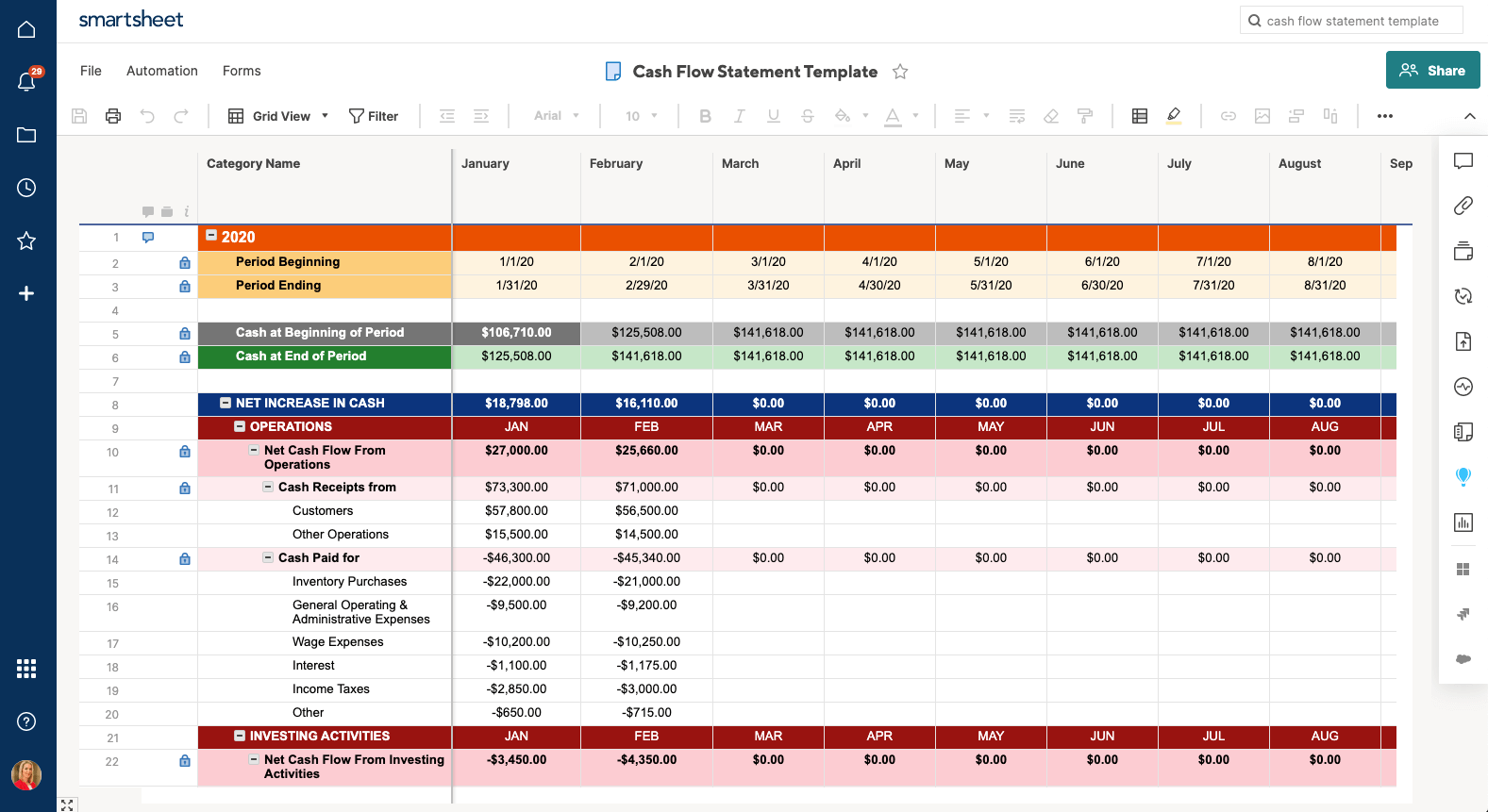
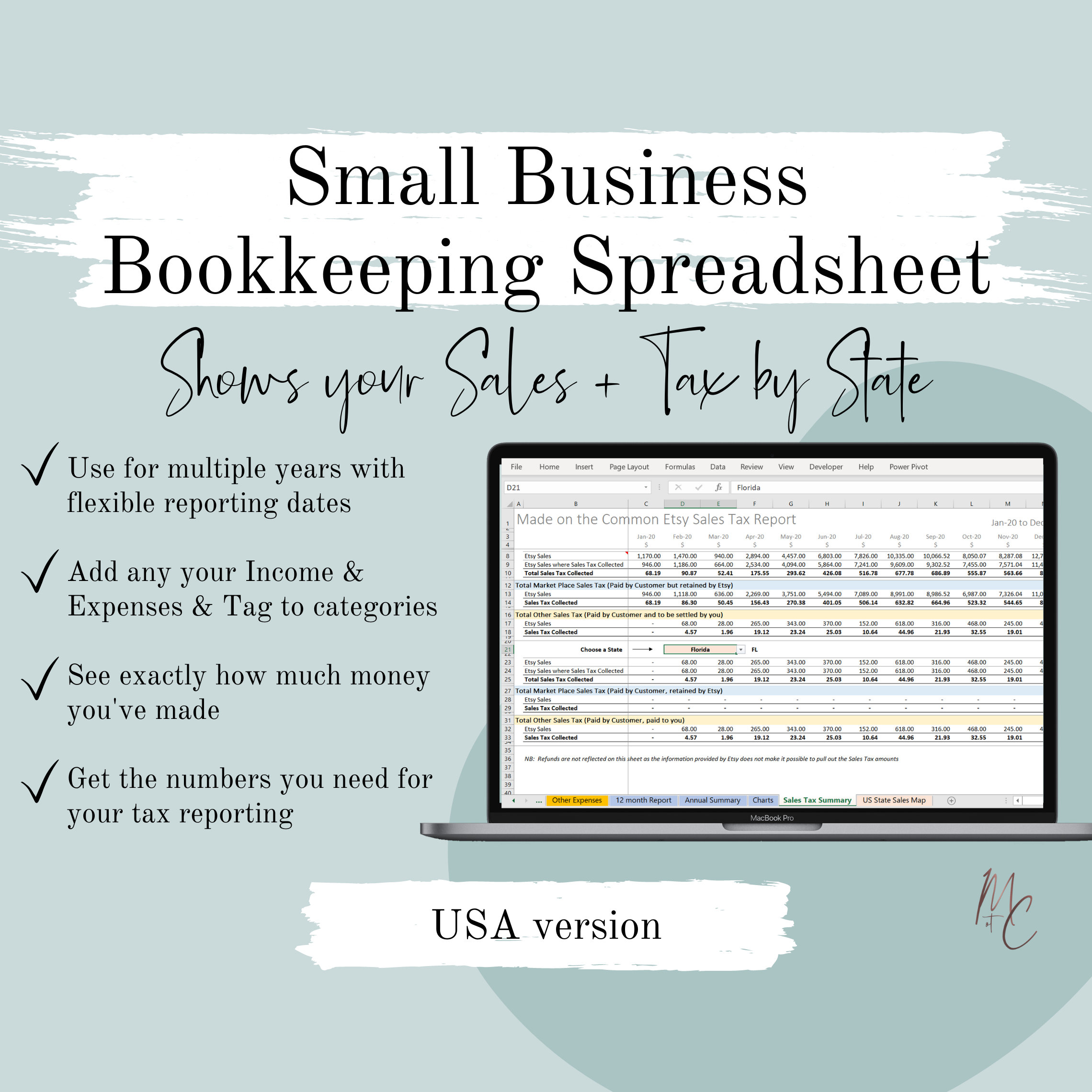
- Use accounting software or spreadsheets
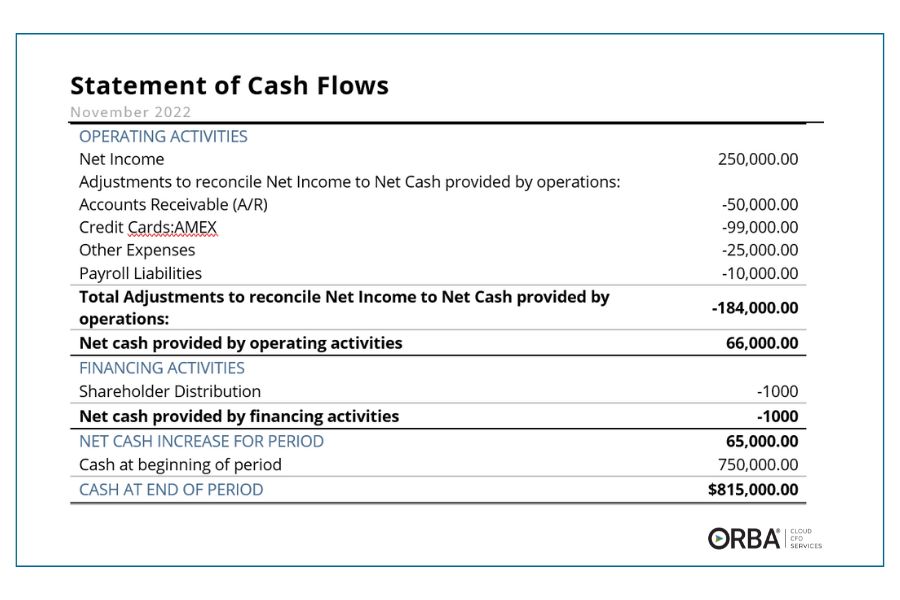
- Maintain updated cash flow statements
- Compare expected cash flow with actual results
Regular tracking helps you identify problems early and make informed financial decisions.
Improving Cash Inflows
Improving cash inflow is a key part of cash flow management for US businesses. Faster and more reliable payments help maintain financial stability.
Effective strategies include:
- Sending invoices immediately after delivering products or services
- Offering multiple payment options (credit card, ACH, digital wallets)
- Setting clear payment terms and due dates
- Offering discounts for early payments
- Following up politely on overdue invoices
US businesses that streamline their billing and collections process experience healthier cash flow.
Controlling and Reducing Cash Outflows

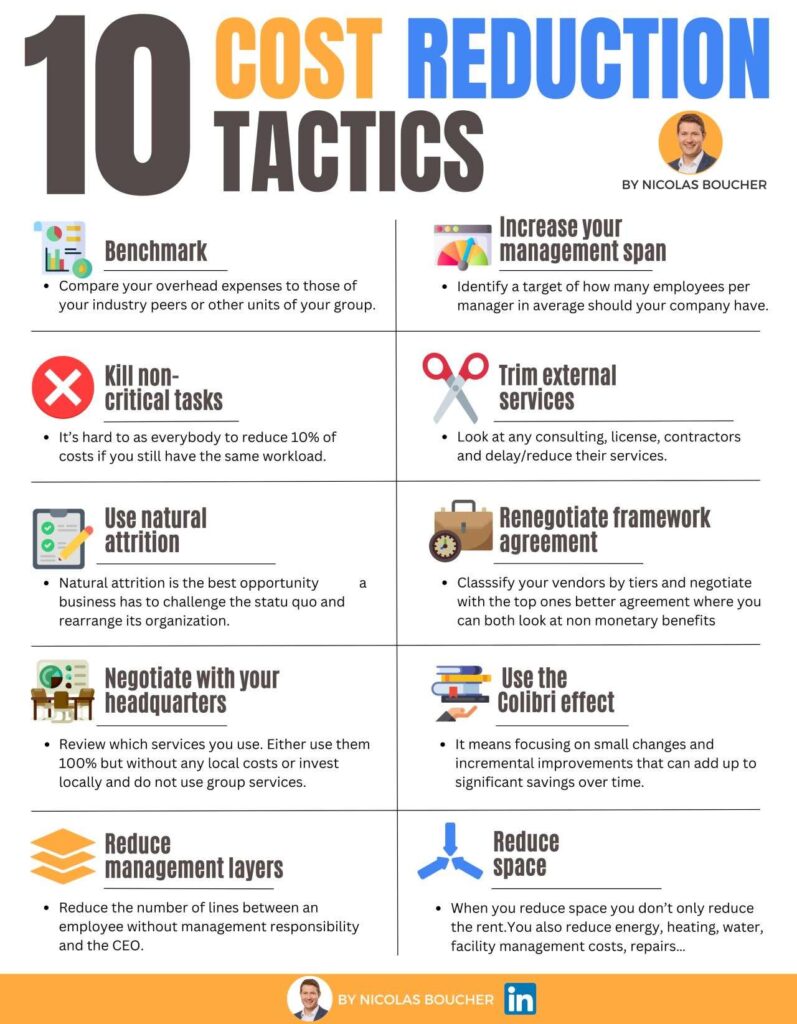
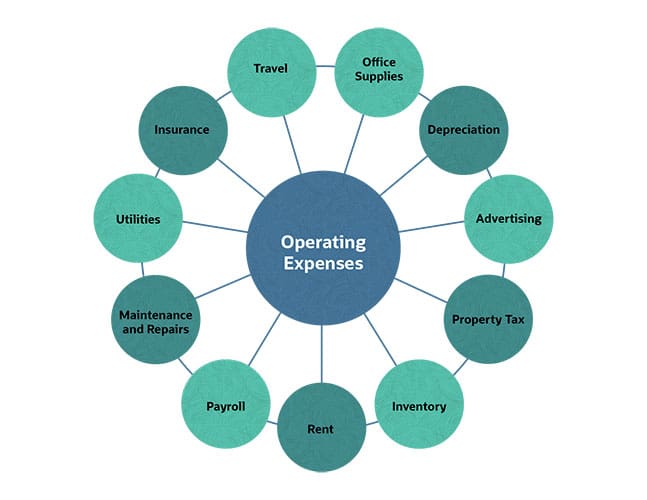
Managing expenses is just as important as increasing revenue. Uncontrolled spending quickly drains cash reserves.
Ways to control cash outflows:
- Review expenses monthly and cut non-essential costs
- Negotiate better terms with suppliers and vendors
- Switch to flexible or remote work models to reduce overhead
- Avoid long-term commitments unless necessary
- Delay large purchases until cash flow improves
Smart expense management helps US businesses extend their financial runway.
Cash Flow Forecasting and Planning
Cash flow forecasting helps businesses predict future cash needs and avoid surprises. It allows US business owners to prepare for slow seasons, tax payments, or expansion plans.
A basic cash flow forecast includes:
- Expected income for upcoming months
- Planned expenses and fixed costs
- Loan repayments and tax obligations
- Emergency or unexpected expenses
Updating forecasts regularly helps businesses stay proactive instead of reactive.
Managing Seasonal and Irregular Income
Many US businesses experience seasonal or irregular cash flow, such as retail, tourism, construction, and freelancing services.
To manage seasonal cash flow:
- Build cash reserves during high-revenue periods
- Adjust staffing and inventory based on demand
- Use short-term financing wisely during slow months
- Plan marketing campaigns around peak seasons
Seasonal planning is essential for maintaining steady operations throughout the year.
Separating Personal and Business Finances



Mixing personal and business finances is a common cash flow mistake among US entrepreneurs. It makes tracking cash difficult and causes tax and legal issues.
Best practices include:
- Opening a dedicated business bank account
- Using business credit cards only for business expenses
- Paying yourself a fixed salary or owner’s draw
- Keeping accurate financial records
Clear separation improves visibility and control over cash flow.
Preparing for Taxes and Obligations
Taxes play a major role in cash flow management for US businesses. Federal, state, and local tax obligations can significantly impact available cash if not planned properly.
To manage tax-related cash flow:
- Set aside money for quarterly estimated taxes
- Track payroll and sales tax obligations
- Work with a CPA or tax professional
- Avoid spending money reserved for taxes
Proactive tax planning prevents last-minute cash shortages.
Using Credit and Financing Wisely
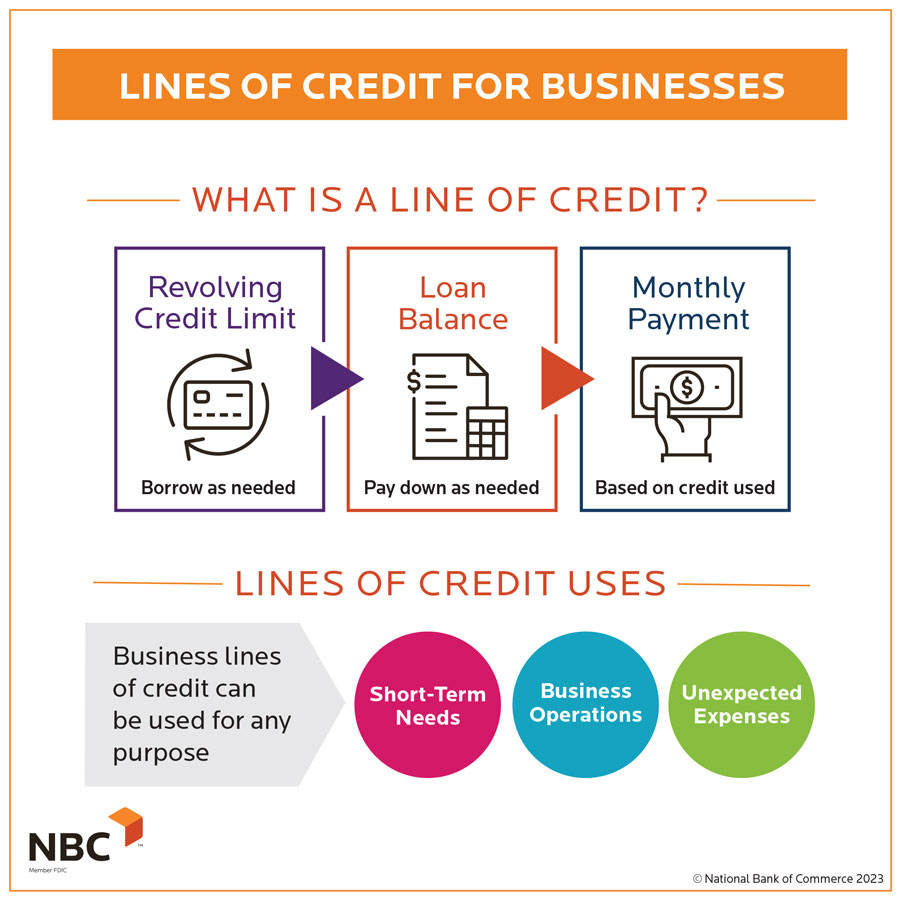

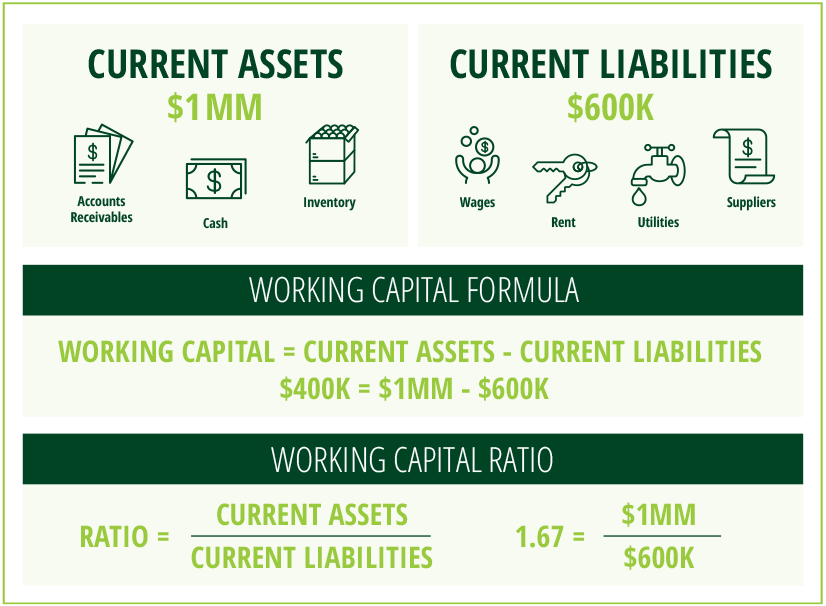
Access to credit can help manage short-term cash flow gaps, but overreliance on debt creates long-term problems.
Smart financing tips:
- Use lines of credit for short-term needs only
- Understand interest rates and repayment terms
- Avoid using credit for daily operating losses
- Focus on improving cash flow, not masking problems
Responsible use of financing supports growth without increasing financial risk.
Building a Cash Reserve and Emergency Fund
Unexpected expenses, economic downturns, or delayed payments can disrupt cash flow at any time. US businesses should maintain a cash reserve.
Experts recommend:
- Saving at least 3–6 months of operating expenses
- Keeping reserves in a separate, accessible account
- Using emergency funds only when necessary
A strong cash buffer increases business resilience and peace of mind.
Final Thoughts: Strong Cash Flow Means Strong Business
Cash flow management for US businesses is not just an accounting task—it is a survival strategy. Businesses that actively track cash flow, control expenses, plan ahead, and prepare for uncertainty are far more likely to succeed.
Whether you run a startup, small business, or growing enterprise in the United States, mastering cash flow management gives you stability, confidence, and the ability to seize new opportunities.
Remember, profit is important—but cash flow keeps your business alive. By making cash flow management a daily priority, US businesses can build long-term financial strength and sustainable growth.