



4
Financial Planning for Startups in America: A Complete Guide for Long-Term Success
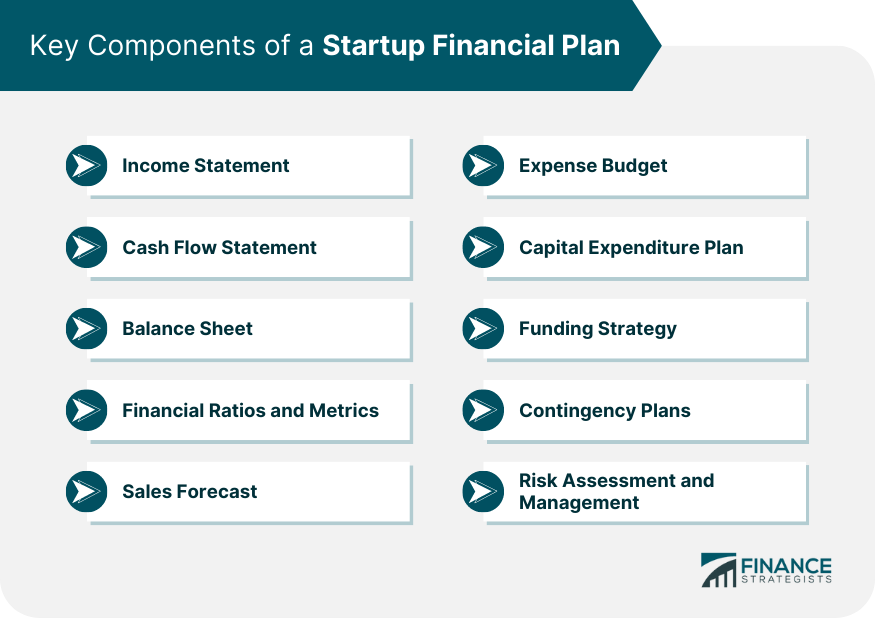
Financial planning is one of the most critical foundations for any startup in America. While innovative ideas and passion drive entrepreneurship, poor financial planning is one of the top reasons startups fail in the United States. From managing cash flow to understanding taxes and funding options, smart financial decisions can determine whether a startup survives or scales successfully.
This SEO-friendly, human-written guide explains everything startups in America need to know about financial planning, helping founders build a strong, sustainable business from day one.
Why Financial Planning Matters for American Startups
In the competitive US startup ecosystem, financial planning helps entrepreneurs make informed decisions, control expenses, and prepare for uncertainty. Without a clear financial roadmap, startups often overspend, misjudge revenue expectations, or run out of cash too quickly.
Financial planning allows startups to:
- Understand how much capital they need
- Allocate resources wisely
- Prepare for taxes and compliance
- Attract investors and lenders
- Survive market fluctuations
For startups in America, financial discipline is not optional—it is essential.
Creating a Realistic Startup Budget
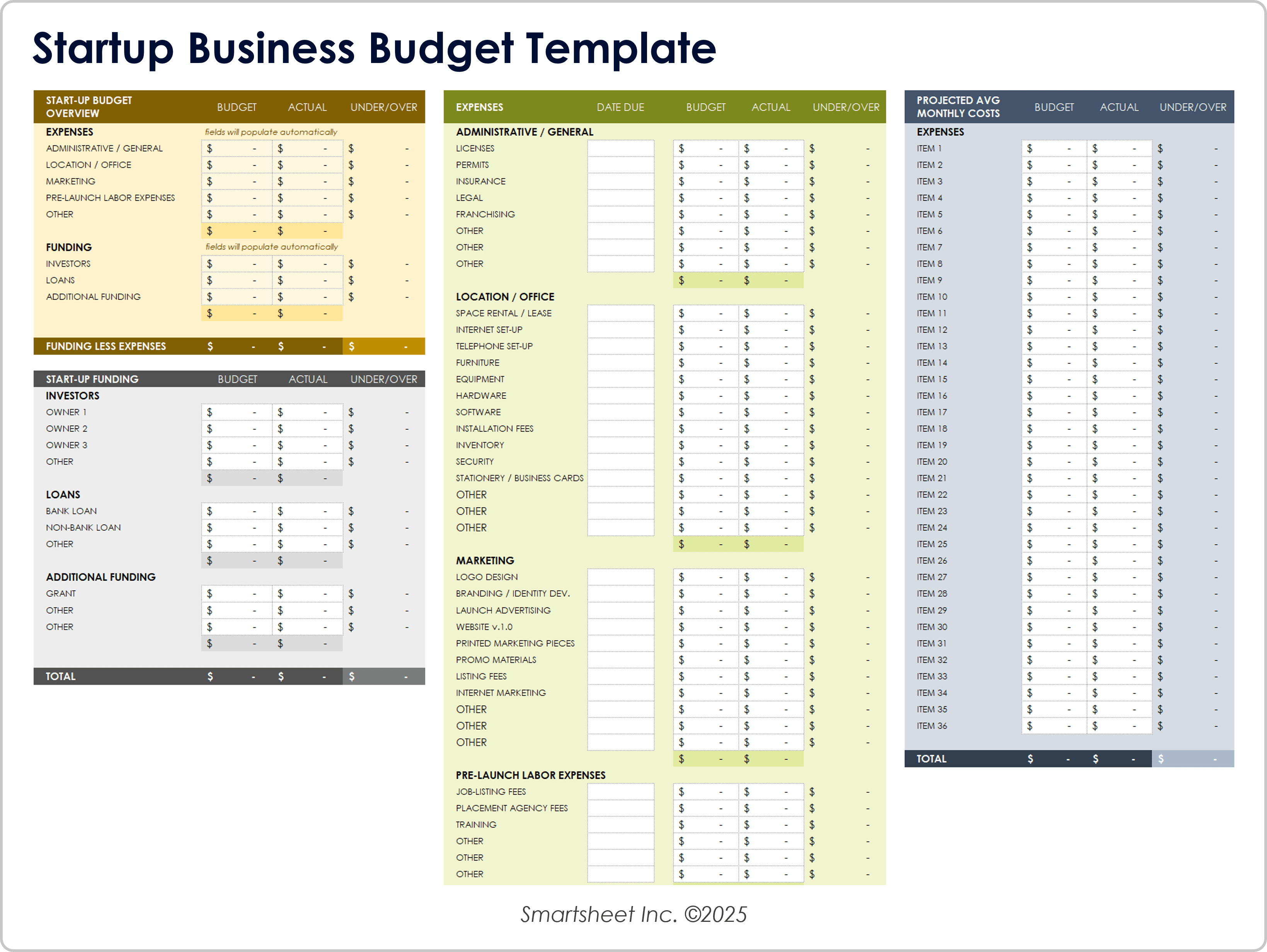
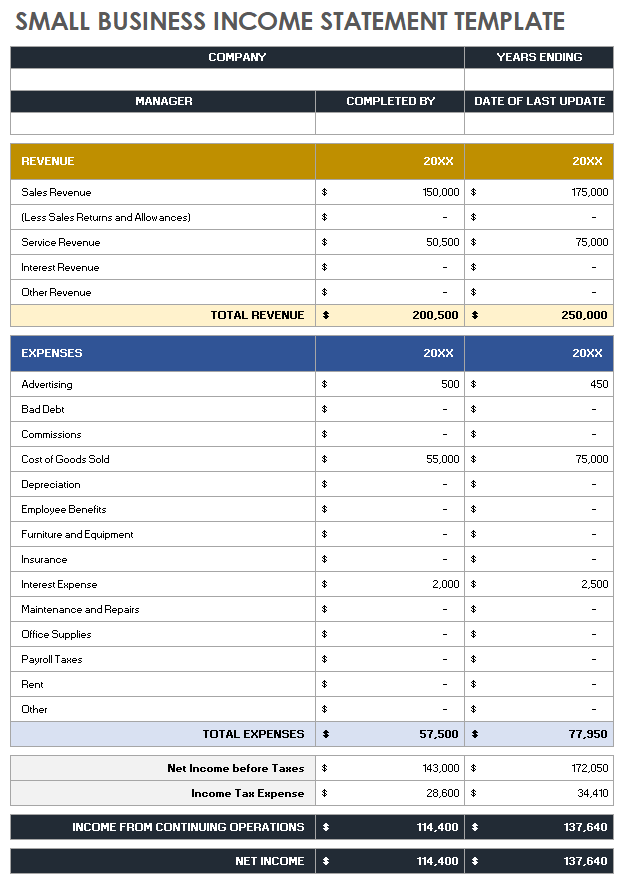
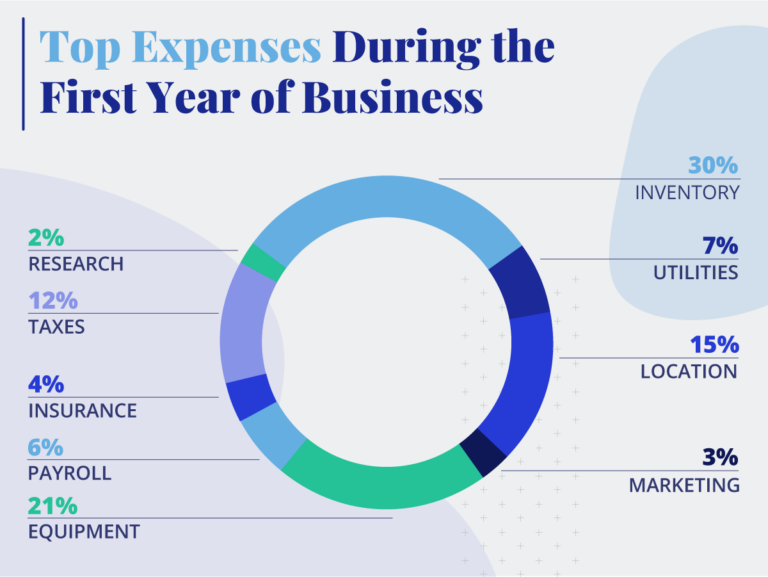
A startup budget is the backbone of financial planning. Many American startups fail because founders underestimate expenses or overestimate revenue.
A realistic startup budget should include:
- Business registration and licensing fees
- Office or remote work expenses
- Technology and software tools
- Marketing and advertising costs
- Employee salaries or contractor payments
- Insurance and legal fees
- Taxes and compliance costs
It’s recommended to plan for at least 6 to 12 months of operating expenses, even if revenue is delayed.
Managing Cash Flow Effectively
Cash flow management is one of the biggest challenges for startups in America. Even profitable startups can fail if they don’t have enough cash to pay bills on time.
Cash flow planning involves:
- Tracking money coming in and going out
- Predicting slow revenue months
- Preparing for delayed client payments
To improve cash flow:
- Invoice customers promptly
- Offer multiple payment options
- Reduce unnecessary fixed costs
- Maintain a cash reserve fund
Strong cash flow management ensures daily operations run smoothly without financial stress.
Understanding Startup Funding Options in America



Financial planning for startups in America must include a clear funding strategy. Different stages of a startup require different funding sources.
Common funding options include:
- Bootstrapping: Using personal savings or revenue
- Angel Investors: Individuals investing early-stage capital
- Venture Capital: Firms investing in high-growth startups
- Small Business Loans: Bank or SBA-backed loans
- Grants: Government or private startup grants
Each option has advantages and risks. Founders must consider ownership dilution, repayment terms, and long-term impact before choosing funding.
Planning for Taxes and Legal Compliance
Taxes are a major part of financial planning for American startups. Many founders underestimate tax obligations and face penalties later.
Key taxes startups may need to manage:
- Federal income tax
- State and local taxes
- Payroll taxes
- Sales tax (if applicable)
- Self-employment tax
Startups should set aside money for quarterly estimated taxes and work with a CPA or tax advisor familiar with US startup regulations. Proper tax planning avoids surprises and improves financial stability.
Separating Personal and Business Finances
One of the golden rules of financial planning for startups in America is keeping personal and business finances separate. Mixing finances causes accounting confusion and legal risks.
Best practices include:
- Opening a business bank account
- Using a business credit card
- Paying yourself a fixed salary or owner’s draw
- Keeping clean financial records
This separation makes financial reporting, tax filing, and investor discussions much easier.
Financial Forecasting and Growth Planning
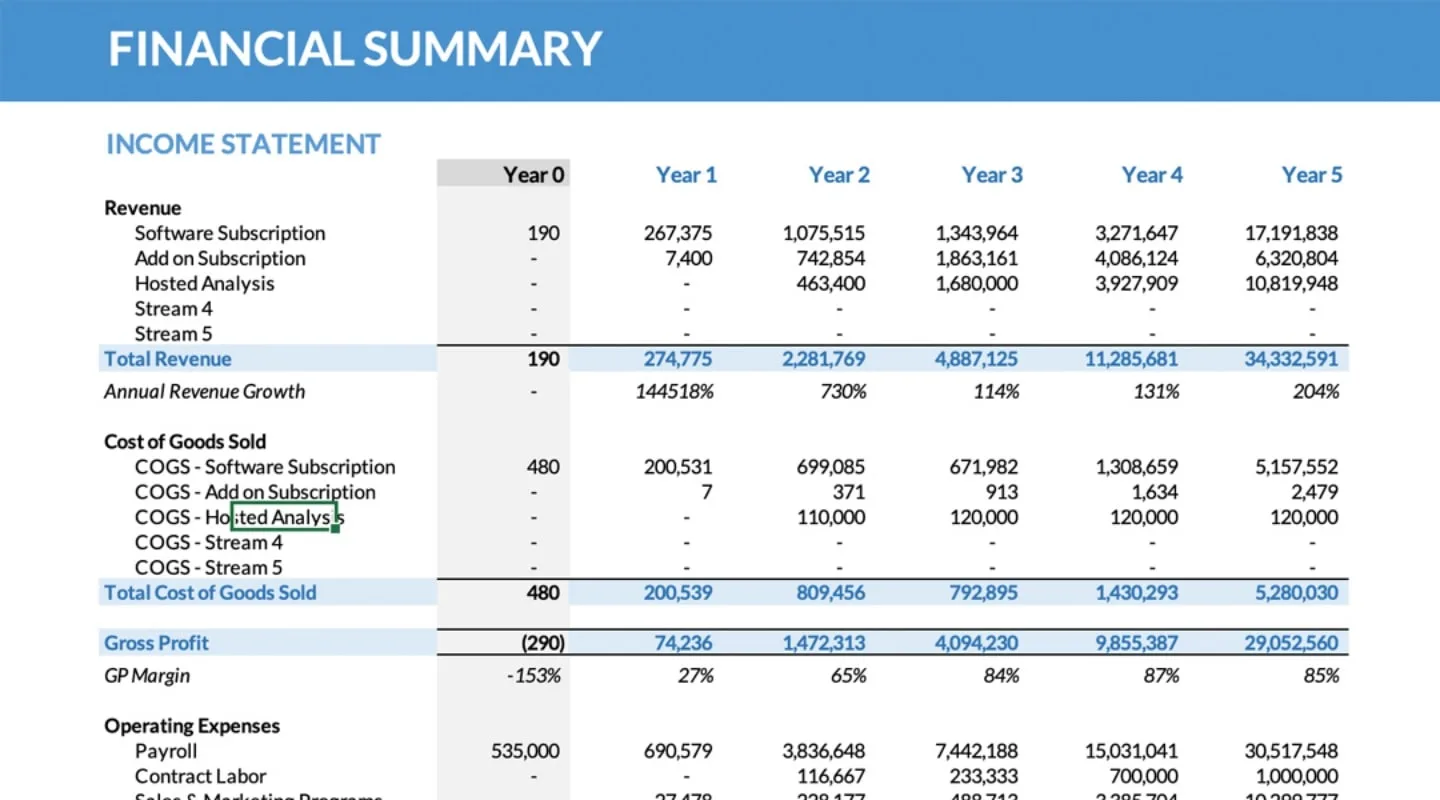
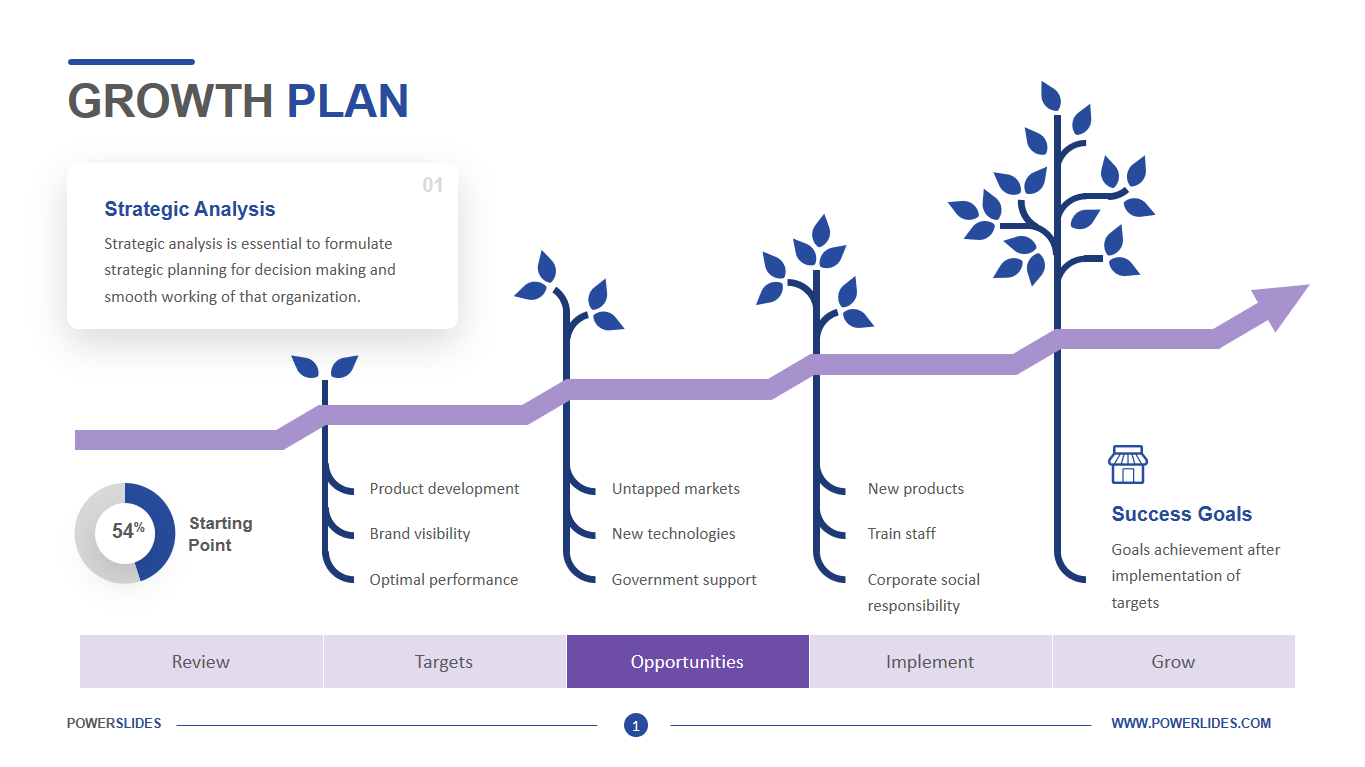
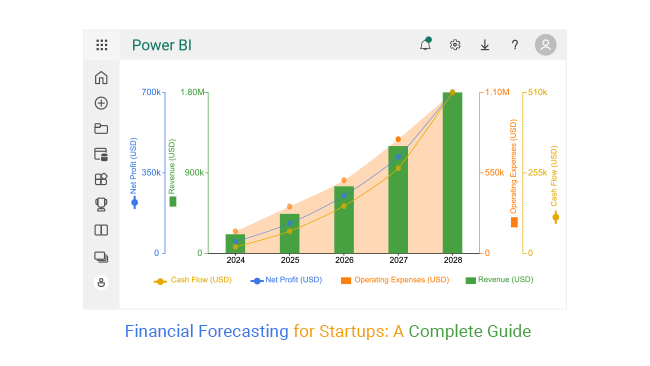
Financial forecasting helps startups predict future revenue, expenses, and profitability. In America’s fast-changing market, forecasting allows founders to plan for growth and risk.
Forecasting typically includes:
- Revenue projections
- Expense estimates
- Break-even analysis
- Profit and loss forecasts
Regularly updating forecasts helps startups decide when to hire, invest, or scale operations.
Controlling Costs and Avoiding Overspending
Many startups in America overspend on branding, office space, or tools too early. Smart financial planning focuses on lean operations.
Ways to control costs:
- Start with essential tools only
- Use remote or hybrid work models
- Test marketing campaigns before scaling
- Negotiate vendor contracts
Cost control increases runway and reduces pressure to raise emergency funding.
Building an Emergency and Contingency Fund
Economic uncertainty, market changes, or unexpected expenses can impact any startup. Financial planning should always include an emergency fund.
Experts recommend setting aside:
- At least 3–6 months of operating expenses
- Funds for legal, technical, or market emergencies
Startups with contingency planning survive downturns better than those without financial buffers.
Hiring Financial Experts at the Right Time


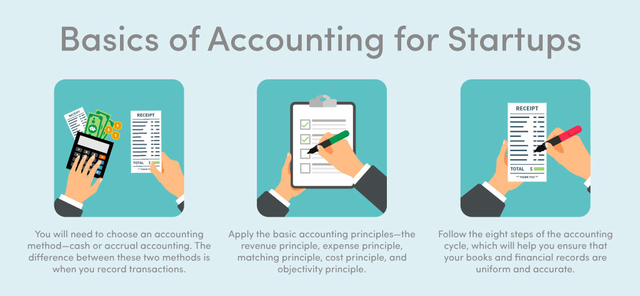
While many founders manage finances themselves initially, hiring financial professionals is a smart investment.
Key experts include:
- Bookkeepers
- Certified Public Accountants (CPAs)
- Financial advisors
These professionals help with compliance, financial reporting, and strategic planning—saving money in the long run.
Final Thoughts: Financial Planning Is a Startup Superpower
Financial planning for startups in America is not just about numbers—it’s about survival, stability, and growth. Startups that budget wisely, manage cash flow, plan for taxes, and prepare for uncertainty are far more likely to succeed.
Whether you are launching a tech startup, eCommerce business, or service-based company, strong financial planning gives you control and confidence in an unpredictable market.
If you treat financial planning as a core business strategy—not an afterthought—you give your startup the best possible chance to thrive in the American business ecosystem.