



4
Common Financial Mistakes US Entrepreneurs Make (And How to Avoid Them)
Starting and running a business in the United States is full of opportunities, but it also comes with financial challenges. Many US entrepreneurs have great ideas and strong motivation, yet their businesses struggle or fail because of avoidable financial mistakes. These errors often happen not due to lack of effort, but due to lack of financial planning, awareness, and discipline.
In this article, we will explore the most common financial mistakes US entrepreneurs make, explain why they happen, and share practical tips to avoid them. This is designed to help startups, small business owners, and aspiring entrepreneurs build a financially stable business in the USA.
1. Mixing Personal and Business Finances
One of the most common financial mistakes US entrepreneurs make is mixing personal and business money. Many small business owners use the same bank account or credit card for both personal expenses and business transactions, especially during the early stages.
This creates confusion during tax filing, makes it hard to track real profits, and can cause legal problems. In the US, separating finances is also important for protecting personal assets, especially for LLCs and corporations.
How to avoid it:
Open a separate business bank account and use a dedicated business credit card. Pay yourself a salary or owner’s draw instead of directly using business funds for personal expenses.
2. Poor Cash Flow Management



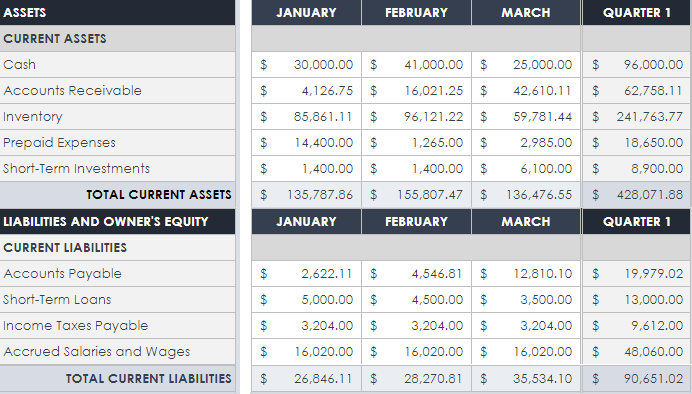
Many profitable businesses fail because of poor cash flow management. Cash flow refers to the money coming in and going out of your business. US entrepreneurs often focus on sales and revenue but ignore timing—when money is actually received and paid.
Late payments from clients, high overhead costs, or unexpected expenses can quickly create cash shortages.
How to avoid it:
Track cash flow weekly or monthly. Use accounting software, maintain an emergency fund, and encourage faster customer payments through clear invoices and payment incentives.
3. Underestimating Startup and Operating Costs
Another major financial mistake entrepreneurs in the USA make is underestimating how much money they need to start and run a business. Costs such as licenses, insurance, taxes, marketing, technology, and employee benefits often add up faster than expected.
Many entrepreneurs assume they will become profitable quickly, which is not always realistic.
How to avoid it:
Create a detailed business budget that includes fixed costs, variable expenses, and a financial buffer for at least 6–12 months. Planning conservatively is always safer.
4. Ignoring Taxes and Compliance Requirements

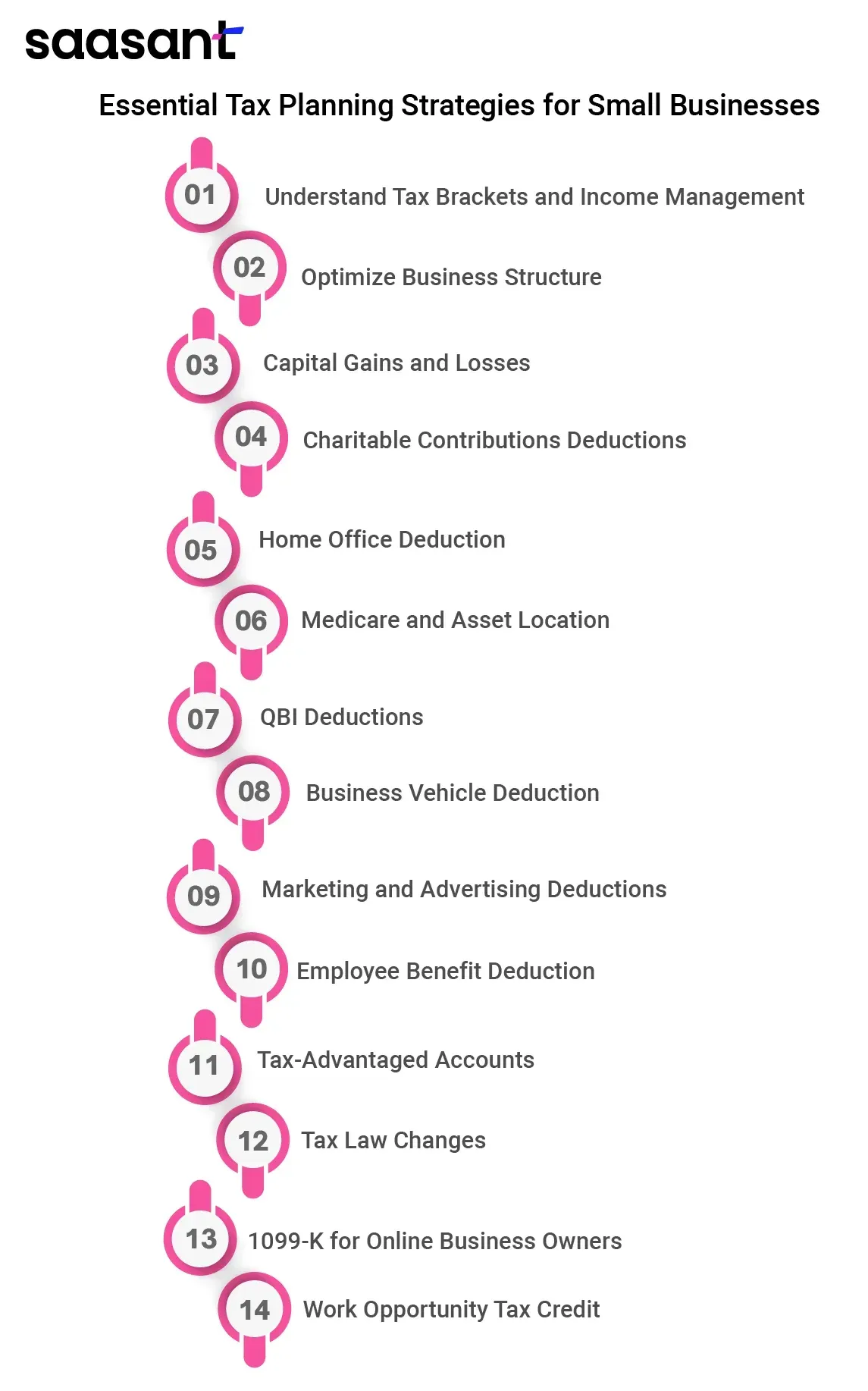
US tax laws can be complex, especially for new entrepreneurs. A common financial mistake is ignoring tax obligations such as income tax, payroll tax, sales tax, and self-employment tax. Some business owners fail to set aside money for taxes and end up facing penalties and interest.
How to avoid it:
Work with a certified accountant or tax professional. Make estimated quarterly tax payments and understand your federal, state, and local tax responsibilities.
5. Not Tracking Expenses Properly
Many US entrepreneurs do not consistently track their business expenses. Small purchases may seem unimportant, but over time they significantly impact profitability and tax deductions.
Poor expense tracking leads to inaccurate financial reports and missed opportunities to reduce taxable income.
How to avoid it:
Use expense-tracking tools or accounting software. Keep digital copies of receipts and review expense categories regularly.
6. Overreliance on Debt and Credit Cards



Access to credit is relatively easy in the USA, which can tempt entrepreneurs to rely too much on loans and credit cards. While debt can help growth, excessive borrowing leads to high interest payments and financial stress.
Many startups fail because they cannot keep up with debt repayments.
How to avoid it:
Borrow only when necessary and understand repayment terms clearly. Focus on sustainable growth and reinvest profits whenever possible.
7. No Financial Forecasting or Long-Term Planning
A lack of financial forecasting is another critical mistake. Many entrepreneurs focus only on today’s sales and expenses without planning for future growth, downturns, or expansion.
Without projections, it is hard to make smart decisions about hiring, investing, or scaling the business.
How to avoid it:
Prepare monthly and annual financial forecasts. Review them regularly and adjust based on performance and market changes.
8. Overspending on Non-Essential Tools and Marketing
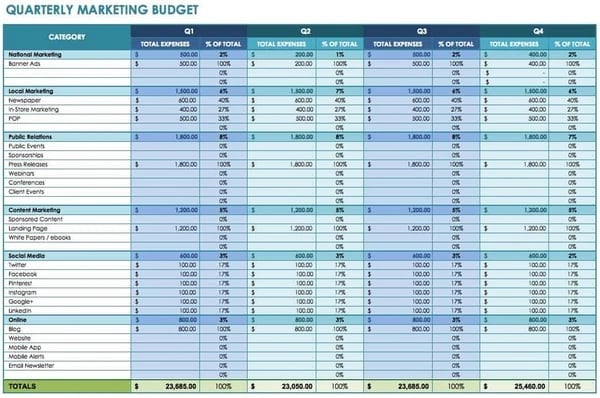

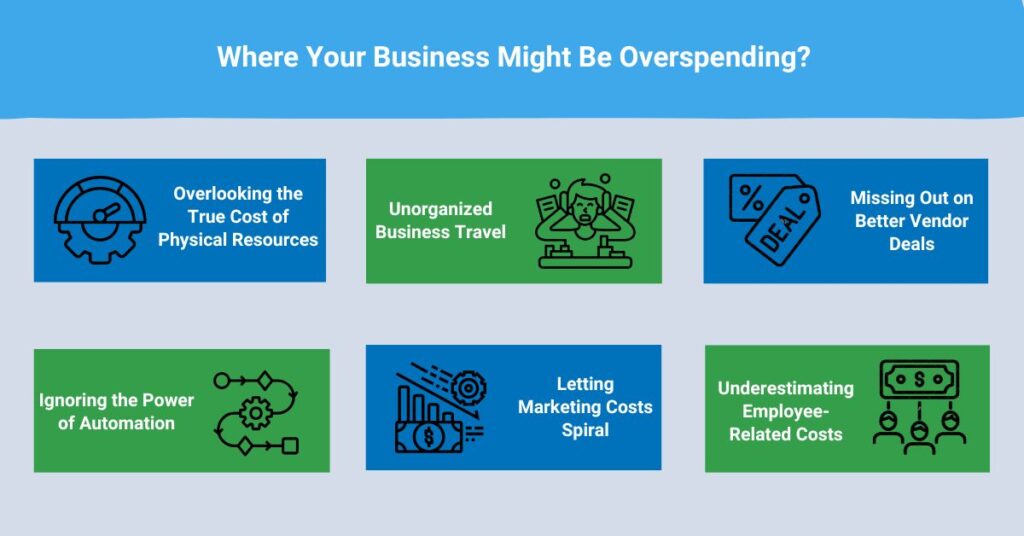
US entrepreneurs often overspend on software subscriptions, office space, branding, or marketing campaigns without clear ROI. Fancy tools and aggressive advertising do not always lead to real growth.
How to avoid it:
Start lean. Invest only in tools and marketing strategies that directly support revenue generation. Measure performance before increasing spending.
9. Failing to Hire Financial Experts Early
Many entrepreneurs try to handle everything themselves, including accounting and financial planning. While this saves money initially, it often leads to costly mistakes later.
Professional advice is especially important in the US, where financial and tax regulations are strict.
How to avoid it:
Hire a bookkeeper, accountant, or financial advisor early, even on a part-time basis. Their guidance can save you money and stress in the long run.
10. Not Preparing for Economic Uncertainty
Economic changes, inflation, market shifts, and unexpected crises can affect any business. Many US entrepreneurs fail to prepare for uncertainty and do not build financial reserves.
How to avoid it:
Create an emergency fund, diversify income streams, and regularly review financial risks. Prepared businesses survive tough times better.
Final Thoughts
Financial mistakes are common, especially for new entrepreneurs in the USA, but they are also preventable. By separating finances, managing cash flow, planning for taxes, controlling debt, and seeking expert help, US entrepreneurs can build strong and sustainable businesses.
Success is not just about generating revenue—it’s about managing money wisely. Learning from these common financial mistakes can help entrepreneurs avoid failure, reduce stress, and achieve long-term growth in the competitive US business landscape.
If you are an entrepreneur or planning to start a business in the USA, use this guide as a financial checklist and take proactive steps today for a more secure tomorrow.